Font Bean Stitch: Quirky Charm for Craft Fair Stands
As an embroidery designer who’s packed, stitched, and sold at over 47 craft fairs—and built a small-batch embroidery business that ships to Etsy buyers, boutique makers, and wedding planners—I approach every new machine embroidery design with three questions: Will it stop someone mid-aisle? Does it translate beautifully across multiple handmade products? And can I produce it reliably without sacrificing quality or margin? That’s why Font Bean Stitch caught my eye—not just as another alphabet, but as a potential booth magnet.
A First Impression That Feels Like a Smile
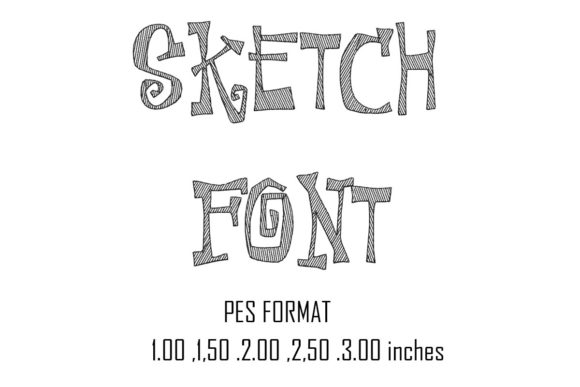
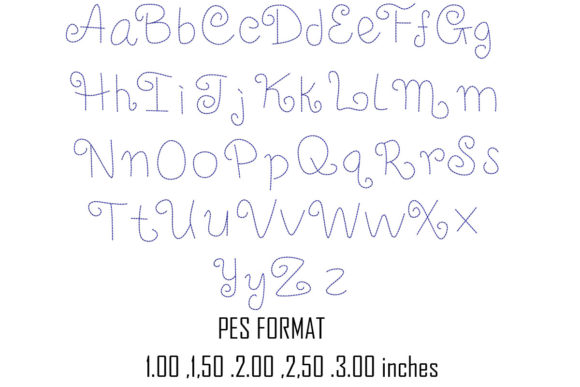
Font Bean Stitch lands somewhere between playful and polished—quirky but not chaotic, hand-drawn but still legible, friendly but never childish. It doesn’t scream “farmhouse” or “elegant wedding monogram” outright—but it leans gently into both. The description promises “a little quirky and a lot of fun,” and that’s accurate. It’s the kind of embroidery file that makes customers pause, tilt their head, and say, “Oh—what *is* that?” That micro-moment of curiosity is pure gold at a craft fair.
Where Font Bean Stitch Shines on Real Handmade Products
Not all alphabets wear well across surfaces. Font Bean Stitch excels where personality matters most:
- Tote bag design: Perfect as a centered name or short phrase (e.g., “Brew & Bloom”) near the bottom hem—large enough to read from six feet away, yet soft enough not to overwhelm canvas or linen.
- Apron embroidery: Ideal above the pocket or along the waistband—adds warmth without competing with functional details. Works especially well for small shop owners branding their own aprons.
- Tea towel embroidery: Delivers charm without stiffness. Because it’s not overly dense, it won’t compromise absorbency or drape—even on textured cotton or linen blends.
- Embroidered patch: Holds up beautifully when heat-applied or sewn onto denim jackets, market bags, or kids’ backpacks. Its irregular line weight gives it handmade authenticity.
- Pillow cover & pouch embroidery: Scales down cleanly to ~3" width—retaining character even at smaller sizes, unlike many decorative fonts that blur or lose definition.
It’s less ideal for curved cap surfaces unless resized carefully (more on that below), and while it *can* work as a wedding monogram, it reads more “celebratory gift” than formal stationery—think bridal shower totes or couple’s kitchen linens rather than invitation suites.
What Makes Font Bean Stitch Sell—Beyond the Stitch
This isn’t just about aesthetics—it’s about booth psychology and buyer behavior. At a craft fair, shoppers scan fast. Font Bean Stitch delivers immediate visual appeal: its uneven baseline and rounded bean-like terminals create movement and rhythm. That motion draws eyes. Paired with warm thread colors (mustard, sage, terracotta) on natural fabrics, it feels intentional—not generic.
It also boosts perceived value. Because it looks custom-designed—not clip-art or mass-produced—it elevates even simple items like cotton pouches or unbleached tea towels into curated handmade products. Customers pay more for pieces that feel personal, and Font Bean Stitch invites customization: names, inside jokes, pet names, local landmarks. That’s repeatable storytelling—and repeat sales.
Practical Production Notes Every Embroidery Designer Should Check
Before cutting fabric or loading hoops, run these checks—especially if you’re batch-producing for Etsy listings or wholesale orders:
- Test stitch density on scrap fabric—dense fills or overlapping letters may pucker lightweight cotton or show through thin tea towels.
- Verify thread contrast—this design relies on shape and rhythm, so low-contrast combos (e.g., light grey on oatmeal linen) can mute its charm in person and online.
- Confirm hoop size compatibility—if your embroidery file includes multi-letter phrases, ensure full words fit comfortably within your standard hoop (e.g., 4x4 or 5x7).
- Use appropriate stabilizer—light cutaway works best for stable fabrics like tote canvas; tear-away suffices for smooth cotton aprons. Skip fusible web alone—it won’t support stitch integrity.
- Create at least one real mockup before listing—photograph Font Bean Stitch on your actual tote bag fabric under natural light. Does it pop? Does spacing feel balanced? Does the curve of a cap distort letter proportions?
- Compare fabric colors side-by-side—a color that looks vibrant on screen may dull on textured or heathered fabric.
- Review commercial licensing terms—since this is a digital embroidery file intended for finished product resale, confirm whether the license permits commercial embroidery use. Never assume.
Careful-Use Considerations for Craft Fair Realities
Font Bean Stitch shines—but it has boundaries. Avoid it on:
- Very dark fabric without high-contrast thread (details vanish)
- Dense or highly textured towels (stitch definition blurs)
- Small lettering under 1.5" tall (bean terminals and subtle curves lose clarity)
- Thick, stiff fabrics like coated canvas (stitch tension struggles, leading to skipped stitches)
- Curved cap fronts without careful digitizing adjustments (distortion flattens its whimsy)
Final Thought: Why Font Bean Stitch Fits Your Booth—and Your Brand
In a sea of minimalist sans-serifs and ornate script fonts, Font Bean Stitch offers something rare: approachable originality. It doesn’t shout—but it lingers. That makes it perfect for sellers building recognizable brand consistency across embroidered patches, printable mockups, and cohesive Etsy listings. It’s versatile enough for baby gifts, wedding favors, coffee shop merch, and seasonal markets. Most importantly, it feels human-made—not algorithm-generated. And in today’s handmade economy, that authenticity is your strongest selling point.
Bring Font Bean Stitch to your next craft fair not as just another embroidery file—but as your quiet confidence builder. A design that starts conversations, invites customization, and turns everyday items into keepsakes. Just remember: test, tweak, and trust your eye. Because the best craft fair products don’t just look good—they feel like they were made just for the person holding them.