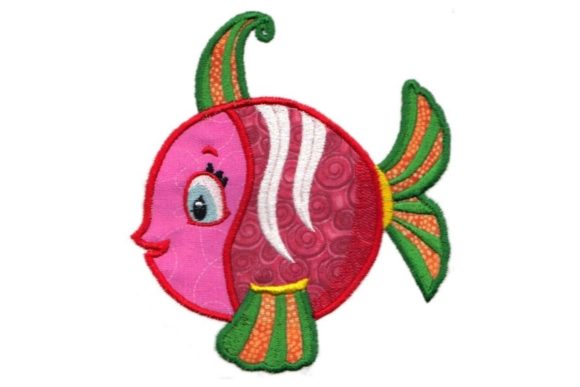
Pink and Red Tropical Fish
A Designer’s First Look: Bright, Playful—and Purpose-Built
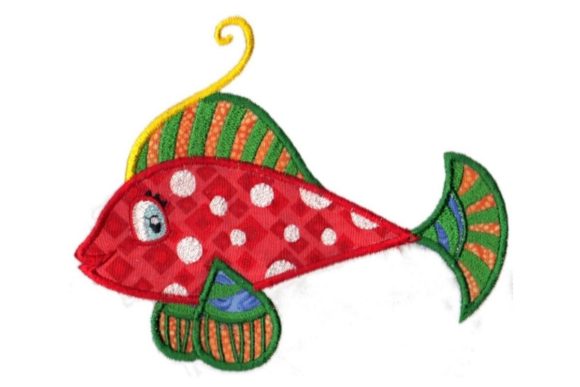
When I opened Pink and Red Tropical Fish, my first thought wasn’t “cute” or “trendy”—it was “this wants to be stitched.” The design has a confident, graphic energy: bold silhouettes, clear negative space between fins and tail, and a rhythm in the curves that reads well even at 3 inches tall. It’s not overly detailed—no tiny scales or micro-stitching—but it doesn’t need to be. As an applique design, it leans into shape and contrast, letting thread color and fabric choice do much of the storytelling. That makes it unusually versatile for real-world use—not just for crafters who love tropical themes, but for small business owners building cohesive product lines.
Real Project Test: A Custom Embroidered Tote for a Local Boutique
Last week, I prepped Pink and Red Tropical Fish for a limited-run tote bag order from a coastal-themed boutique. Cotton canvas, medium-weight stabilizer, 5×7 hoop. No surprises in setup—the file stitched cleanly, with smooth satin-stitched edges and balanced fill stitch density in the body. What stood out was how the design held up under slight fabric movement during hooping: no puckering, no distortion in the tail curve. Customers responded immediately to the warmth of the pink-red palette against natural canvas—it felt handmade without looking amateurish. That’s the quiet strength of this embroidery file: it bridges craft and commerce without shouting.
Where It Shines (and Where to Pause)
Pink and Red Tropical Fish excels on stable, medium-to-heavy fabrics where applique can anchor cleanly:
- Custom apparel: Works beautifully on sweatshirts and structured tees—especially when placed on left-chest or back yoke positions. The shape reads clearly even at smaller sizes.
- Tote bags & aprons: Its horizontal flow suits wide, flat surfaces. No awkward stretching or compression across seams.
- Baby items & nursery decor: Soft pink and coral tones read gentle and joyful—ideal for onesies, burp cloths, or pillow covers. Just confirm your stabilizer is baby-safe if stitching directly on knit fabrics.
- Embroidered patches: Clean edge definition means it cuts and fuses well. Perfect for iron-on or sew-on versions sold as standalone design assets.
- Holiday or wedding gifts: Paired with neutral linen or off-white tea towels, it adds personality without overwhelming—great for coastal or garden-themed celebrations.
Use With Intention—Not Assumption
This isn’t a one-size-fits-all embroidery file. Here’s where thoughtful execution matters:
- Small hoop sizes: Below 4 inches wide, some fin detail may soften. Test on scrap first—especially if planning a cap or curved surface application.
- Stretchy or thin fabric: Knits and lightweight cottons need cutaway + tear-away combo stabilizer. Applique edges won’t hold if the base fabric shifts mid-stitch.
- Dark or textured backgrounds: The design relies on contrast. On charcoal twill or bouclé, test thread colors—rose gold or blush pink may disappear where true red pops.
- Frequent-wash items: Satin stitch edges are durable, but avoid placing near high-friction zones (like tote bag handles) unless you reinforce with a light running stitch outline.
What It Adds to Your Finished Product—Beyond the Stitch
As a designer reviewing Pink and Red Tropical Fish for commercial use, I notice how it elevates perception—not just aesthetics. On an Etsy listing, it signals intentionality: this isn’t a generic fish clipart, but a considered embroidery file built for machine applique. That builds trust. For a craft fair booth, it gives your handmade product instant visual cohesion—especially when paired with coordinating thread palettes or matching printed tags. And for digital product sellers? It’s a strong candidate for printable mockups: clean lines translate well to PNG previews, and its theme appeals broadly without dating quickly.
Practical Designer Notes Before You Stitch
Before adding Pink and Red Tropical Fish to your next project—or your shop inventory—take these five minutes:
- Test on scrap fabric using your exact stabilizer, needle, and thread. Watch how the satin stitch wraps corners—does it pull? Does the applique layer sit flat?
- Check thread color contrast on both light and dark backgrounds. Try stitching it in black-and-white mockups to assess value balance.
- Review stitch density in the PDF instructions—if dense fill areas overlap, adjust tension or consider reducing density slightly for lightweight fabrics.
- Confirm hoop size compatibility with your machine. If you’re working with smaller hoops (4×4), verify whether the design scales down without losing legibility.
- Inspect small details like eye shape and fin tips—applique designs can blur those if digitized too tightly. This one holds them cleanly, but always verify.
Final Thought: A Reliable, Joyful Design Asset
Pink and Red Tropical Fish isn’t flashy—but it’s dependable. It stitches consistently, sells well across categories (I’ve seen it succeed on baby onesies, boutique sweatshirts, and even custom cocktail napkins), and carries enough personality to feel special without demanding perfection from the embroiderer. For Etsy sellers building seasonal collections, craft business owners sourcing design assets, or designers curating embroidery project kits—it’s a smart, low-risk addition. Just remember: great embroidery starts with respect for the file, the fabric, and the final person holding that finished product. Stitch it thoughtfully, and it’ll earn its place—not just in your hoop, but in someone’s everyday joy.