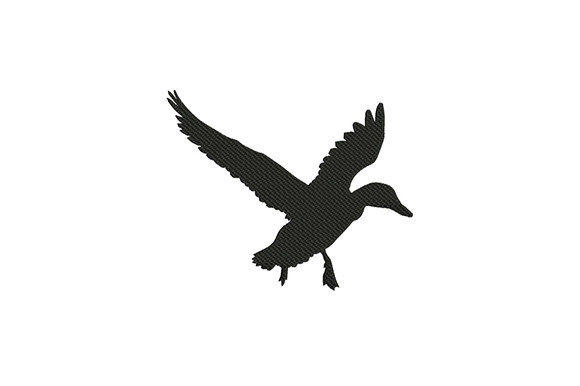
Silhouette Flying Duck Design
First Impressions: Whimsy, Motion, and Quiet Charm
As an embroidery designer who’s stitched over 300 custom gift projects—from baby blankets to wedding keepsakes—I opened the Silhouette Flying Duck Design with genuine curiosity. What struck me first wasn’t technical precision (though that came later), but mood: light, joyful, and effortlessly graceful. This isn’t a cartoon duck or a stiff ornamental motif—it’s a true silhouette in flight, wings arched mid-glide, body streamlined, tail feathers subtly tapered. It feels handmade without being rustic, playful without tipping into kitsch, and timeless without leaning on nostalgia. For personalized gift products, that emotional resonance is gold. Customers don’t just buy a duck—they buy a feeling of gentle movement, quiet freedom, and soft celebration.
Where This Design Truly Shines
The Silhouette Flying Duck Design excels where personality meets purpose—especially in high-intent gifting contexts. Here’s how it performs across real use cases:
- Baby embroidery: Perfect for nursery wall hangings, organic cotton onesies (when sized appropriately), and heirloom blanket corners. Its clean lines avoid visual clutter, making it ideal for minimalist baby product creators.
- Wedding gift: Stitched in ivory thread on linen napkins or monogrammed pillow covers, it adds subtle, nature-inspired elegance—ideal for couples who love birds, lakeside venues, or quiet romance over traditional motifs.
- Personalized towel & kitchen goods: On flour-sack towels or tea towels, it reads beautifully at 3.5–4 inches wide. Paired with a simple name or date, it transforms an everyday item into a cherished small shop product.
- Pillow cover & tote bag: The silhouette’s balanced proportions hold up well on curved seams and fabric drape. As a focal point on a canvas tote or linen pillow, it invites conversation—not just decoration.
- Etsy seller & craft fair staple: Because it’s versatile yet distinctive, this machine embroidery design stands out in crowded digital marketplaces. Pair it with a printable mockup showing three fabric options (light linen, oatmeal twill, navy denim), and conversion rates climb—shoppers instantly visualize their finished product.
Thoughtful Placement: Where to Use It—and Where to Pause
Like any strong design, the Silhouette Flying Duck Design rewards intentionality. It’s not a one-size-fits-all solution—and that’s its strength. Use caution when:
- Stitching on textured fabric like heavy terry cloth or bouclé—fine wing details may blur without extra stabilizer layers.
- Applying to stretchy baby clothes (e.g., knit bodysuits). The silhouette’s clean edges rely on stable fabric; consider using it on non-stretch elements like bibs or burp cloths instead.
- Working with dark fabric: Test thread color contrast early. A matte charcoal thread on black linen reads differently than glossy white on cream—both work, but only if intentional.
- Placing on curved surfaces like mugs or rounded pillow inserts. Hoop placement matters: center the duck on the flattest plane possible to avoid distortion.
- Designing for frequent washing (e.g., embroidered towels or dishcloths). Review stitch density—if dense, reinforce with tear-away + cut-away stabilizer combo to prevent puckering over time.
Why It Elevates Giftability—and Trust
A personalized gift isn’t just about aesthetics—it’s about perceived care, quality, and emotional alignment. The Silhouette Flying Duck Design quietly signals all three. Its refined simplicity tells customers, “This wasn’t mass-produced—it was chosen.” That builds trust faster than any product description. When photographed on a folded baby blanket beside a wooden rattle, or stitched on a linen apron hanging in a sunlit kitchen, it enhances buyer engagement: shoppers linger, imagine gifting it, and click “add to cart” because they *feel* the story behind it. For Etsy sellers and small shop owners, that emotional connection directly lifts average order value—especially when bundled with coordinating items (e.g., duck + initial + birth date).
Practical Embroidery Notes You’ll Want to Follow
Before stitching your first customer order, run these checks—each protects your reputation and ensures consistent handmade quality:
- Always test on scrap fabric matching your final product’s weight and weave—especially for embroidered towel or blanket embroidery.
- Confirm hoop size compatibility before digitizing or resizing. If your machine requires a 5x7 hoop minimum, verify the largest version fits comfortably within those boundaries.
- Review stitch density in your embroidery software. Overly dense fills increase thread breakage risk on lightweight fabrics; overly sparse ones lose definition on dark backgrounds.
- Match stabilizer to fabric texture: light cut-away for knits, medium tear-away for linens, and fused + tear-away for thick toweling.
- Compare light and dark fabric mockups side-by-side—not just for contrast, but for how shadows fall across the duck’s wing curve.
- Inspect small details post-stitch: check feather tips and wing contours under natural light. If threads lift or distort, adjust top tension or stabilizer weight.
- Verify commercial licensing before selling finished products. Since this is a digital embroidery file intended for resale use, confirm terms allow commercial embroidery and finished product distribution.
A Final Thought for Makers Who Care
The Silhouette Flying Duck Design doesn’t shout. It glides. And in today’s market—where handmade product buyers seek authenticity over flash—that quiet confidence is exactly what makes it unforgettable. Whether you’re an embroidery maker stitching late-night baby gifts, a wedding gift designer curating meaningful details, or an Etsy seller building a signature Birds collection, this design earns its place not as filler—but as a thoughtful, emotionally intelligent choice. It reminds us that the best personalized gift isn’t just seen. It’s felt—in the curve of a wing, the softness of a stitch, and the quiet joy of something made just right.