Sunny Flower: A Designer’s Real-World Embroidery Review
First Impressions: Bright, Friendly, and Uncomplicated
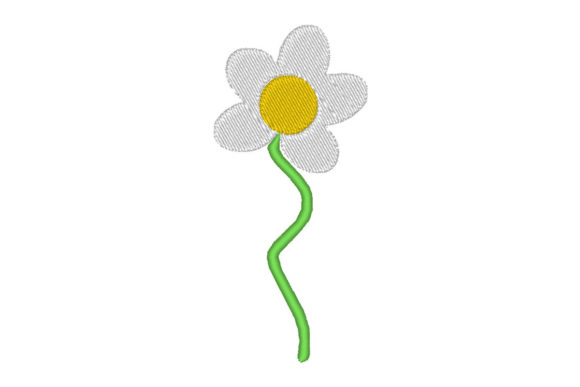
When I opened Sunny Flower for the first time, I felt that familiar lift — the kind you get when a design just *gets* summer. It’s not fussy or overly detailed. The shape is generous but balanced: a centered bloom with soft petal curves, a compact center, and gentle radiating lines that suggest light without demanding perfection. This isn’t a botanical study — it’s a mood, stitched. As a designer who evaluates hundreds of embroidery files each year, I appreciate how clearly Sunny Flower communicates joy without visual noise. It reads well at 3.5"–4.5", making it ideal for a wide range of real projects — from baby onesies to boutique tote bags.
A Real Project Test: Hand-Embroidered Tote Bags for a Local Pop-Up
Last month, I used Sunny Flower on a set of organic cotton tote bags for a small shop launch. No digital mockups — just fabric, stabilizer, and stitch. The design landed cleanly on the front left chest area (about 4" wide), and customers responded immediately: “It makes me smile,” one said. “Feels handmade, but polished.” That’s the sweet spot. Sunny Flower doesn’t try to be everything — it’s a single-flower machine embroidery design that anchors a product with warmth and intention. Its scale and rhythm made it easy to pair with simple monogram initials below — no crowding, no competition. For Etsy sellers and craft fair vendors, that kind of effortless pairing matters. It means less design labor, more consistent branding.
Where Sunny Flower Shines — And Where It Needs Thought
Sunny Flower performs reliably across common embroidery surfaces:
- Custom apparel: Looks fresh on lightweight tees and relaxed-fit sweatshirts — especially with tonal thread choices (e.g., buttery yellow on cream, coral on oat).
- Tote bags & aprons: Holds clarity even on textured canvas or linen-blend fabrics, thanks to moderate stitch density and clean satin-stitch petal edges.
- Baby embroidery: Soft curves and open center translate beautifully to onesies and burp cloths — no sharp corners or tiny details that snag or irritate sensitive skin.
- Holiday & gift embroidery: Works year-round, but especially resonates in spring and early summer collections — think kitchen towels for Mother’s Day or pillow covers for nursery decor.
- Commercial embroidery: Scales well for small-batch production. The layout avoids tight corners or overlapping fill areas, reducing thread breaks and re-hooping.
Careful Use Cases — Know Before You Stitch
Like any strong single-flower embroidery design, Sunny Flower thrives with context — and needs thoughtful placement:
- Small hoop sizes (under 4"): Check whether the file includes a reduced version. At full size, it may require repositioning or trimming on tight hoops.
- Stretchy or thin fabric: Use cutaway + tear-away stabilizer combo. The petal outlines rely on clean satin stitch — too much give = wobbly edges.
- Dark fabric: Preview in black-and-white mockups. Some lighter thread colors lose contrast; consider slightly richer yellows or warm creams instead of pale lemon.
- Curved surfaces (caps, beanies): Test on scrap first. The symmetrical layout helps, but dense fill areas near the center can pucker if stabilizer isn’t firm enough.
- Frequent-wash items (tea towels, baby clothes): Avoid ultra-fine thread counts unless your machine handles them consistently — durability starts with stitch integrity, not just prettiness.
What It Adds to Your Finished Product — Beyond the Stitch
Sunny Flower quietly lifts perceived value. On a plain cotton pillow cover? It transforms utilitarian into intentional. On a personalized gift? It signals care — not just customization, but emotional resonance. For small shop owners and handmade product sellers, that translates directly to customer trust and repeat orders. I’ve seen buyers pause longer on listings featuring this kind of confident simplicity — they recognize craftsmanship that doesn’t shout, but settles in.
It also supports brand consistency. Because it’s clean and adaptable, it works equally well as part of a seasonal collection (paired with sun motifs or citrus) or as a standalone signature piece. And unlike trend-heavy designs, Sunny Flower won’t date your digital embroidery file library in six months. It’s a quiet workhorse — not flashy, but deeply reliable.
Practical Designer Notes Before You Run It
Before stitching Sunny Flower into client work, merch, or digital previews, here’s what I always do:
- Run a test on scrap fabric matching your final substrate — same stabilizer, same thread brand, same tension settings.
- Check thread color contrast on both light and dark backgrounds using printable mockups — don’t assume your screen matches reality.
- Review stitch density visually: look for heavy fill areas that might cause stiffness or shadowing on lightweight garments.
- Confirm hoop size compatibility — especially if you’re stitching caps or small accessories.
- Inspect fine details like petal tips and center definition — zoom in on the embroidery file preview before loading.
- Use proper stabilizer: medium-weight cutaway for stable fabrics, fused tear-away for knits.
- Verify licensing terms — especially if selling finished embroidered items or bundling the file as part of a craft business toolkit.
Final Thought: A Design That Earns Its Place
Sunny Flower isn’t about technical fireworks. It’s about landing right — emotionally, visually, and practically. It fits naturally into the workflow of an embroidery designer juggling client deadlines, Etsy uploads, and craft fair prep. It gives small business owners a versatile, joyful asset without overcomplicating their process. And for makers who stitch gifts by hand or run home-based apparel shops, it delivers that rare balance: professional polish and genuine warmth. If you’re looking for a single-flower embroidery design that feels both timeless and timely — one that customers remember, not just scroll past — Sunny Flower earns its name, and then some.